
Our Approach
-
Stage 1:
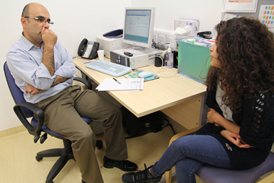
We listen to young people to better understand what might cause a flare-up
-
Stage 2
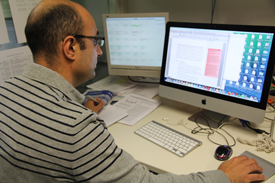
Doctor develops a research idea and writes a proposal
-
Stage 3
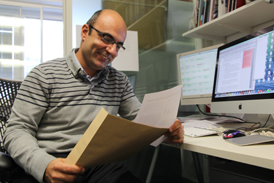
Project approved and funding secured
-
Stage 4
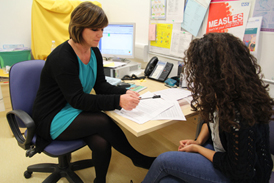
We ask young people to take part in our study, get their consent and take a blood sample
-
Stage 5
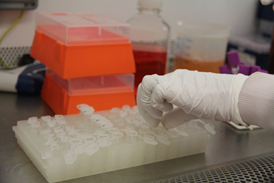
The samples are processed by our lab technicians
-
Stage 6
Cells are examined under a microscope and protein levels compared

-
Stage 7
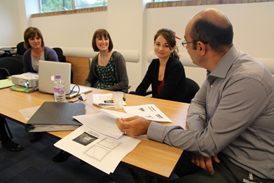
Doctors analyse the results
-
Stage 8
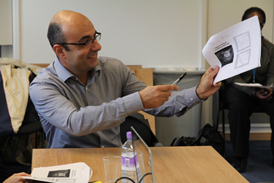
Breakthrough: people with higher levels of ‘protein X’ found to have more flare-ups
-
Stage 9
Discovery made public and published in journals and online

-
Stage 10
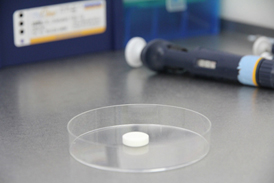
New treatment developed to reduce levels of ‘protein X’ in patients
-
Stage 11
Young people respond to the treatment and have less flare-ups

 Stage 1:
  Stage 2
  Stage 3
  Stage 4
  Stage 5
  Stage 6
  Stage 7
  Stage 8
  Stage 9
  Stage 10
  Stage 11
 The discovery of this fictional protein X is a typical process through which research is undertaken.
This is a real research project that is underway at this Centre.
Research is not easy, there are many hurdles to overcome and results take a long time to generate. But ultimately blood or joint fluid samples that are donated by young people and the discoveries made from undertaking cutting edge scientific experiments on these samples may help lead to new tests and better treatments for patients with arthritis and other conditions. It’s not just about donating biological samples.
Donating time in filling in research questionnaires or having scans for other research projects is also an extremely generous gesture and can genuinely lead to new discoveries. We really want to make a difference and improve the life of young people with arthritis, lupus, myositis and other rheumatic problems.
On behalf of the Centre thank you to everyone who has helped and is helping with the research we are doing.
You make a difference.
YOU ARE AMAZING!


56 years, 9 months ago